Jan 7, 2026
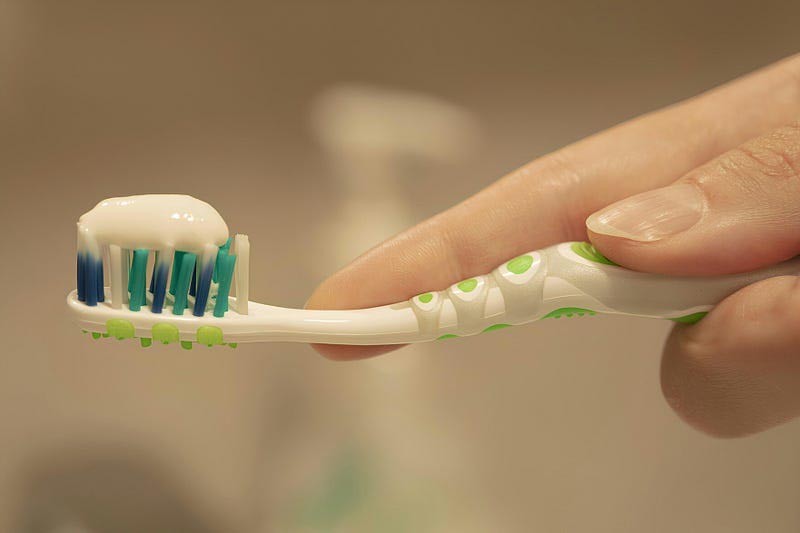
Oral health is a “sensory gateway,” deeply intertwined with tactile experience, oral-motor patterns, communication, and self-care skill development.
Oral health is more than a bright smile — it’s a living connection to overall physical, emotional, and developmental well-being for every child. For autistic children, this connection can be even more significant because their sensory experiences, communication styles, and daily routines shape how they interact with oral hygiene and dental care. Recent research makes one thing clear: when oral health barriers go unaddressed, the consequences extend far beyond teeth — affecting eating, sleep, school, confidence, and quality of life.
Why Oral Health Matters to General Well-Being
Physical Health:
Everyday habits like brushing and getting dental checkups help prevent cavities, gum inflammation, and infections — issues that, if left untreated, can contribute to pain, nutritional problems, and even systemic health effects like chronic inflammation. For autistic children, sensory sensitivities and resistance to traditional oral care routines can make these habits harder to establish, increasing oral disease risk.Nutrition & Sensory Experience:
Many autistic children have restricted or highly selective food preferences, which can lead to diets higher in sugars and refined carbohydrates — foods that fuel tooth decay. Sensory aversions to toothpaste texture, flavors, or even the feeling of a toothbrush can also make brushing a daily ordeal rather than a routine.Communication & Pain Recognition:
Some autistic children have difficulty expressing discomfort or pain. That can mean dental issues go unnoticed until they become severe — which not only affects physical health, but also sleep, focus, mood, and participation in learning and play.Family & Social Well-Being:
Research shows that poor oral health in autistic children isn’t just about the child — it can affect family quality of life through stress, missed school days, and challenging dental experiences. Families often describe dental visits as overwhelming due to sensory overload (lights, sounds, smells), and toothbrushing routines that feel conflicting rather than calming.
Challenges for Autistic Children & Their Caregivers
Autistic children face multi-layered obstacles related to oral health including:
Sensory Differences:
Sensitivities to texture, taste, and the sensation of brushing or dental instruments can make oral hygiene routines aversive or distressing.Routine & Behavioral Needs:
Daily oral care is a sensory- and behavior-rich experience. For children who rely on predictable routines, transitioning to unpredictable dental environments or handling unexpected sensations intensifies stress.Access & Specialized Support:
Fewer dental professionals are trained to support children with autism in sensory-aware, individualized ways. Families often report difficulty finding practitioners who can adapt environments and communication styles.Unmet Dental Needs:
Even when autistic children visit the dentist, they are more likely to have oral disease symptoms like plaque, gum irritation, and other untreated issues, highlighting both care access gaps and the need for supportive approaches.
Practical Tips
Build sensory-aware routines:
Try different toothbrush textures, toothpaste flavors (or mild/unflavored options), and sensory tools so toothbrushing feels manageable rather than overwhelming.Use visual schedules or social stories:
These can help make each step of oral care more predictable and less stressful, reducing resistance and building confidence.Partner with specialty-aware dental teams:
Seek providers who can offer calm environments, predictable cues, and more time for visits.Celebrate small wins:
Consistency over perfection — even slight increases in comfort or cooperation are progress and contribute to lifelong health.
Oral health is a “sensory gateway,” deeply intertwined with tactile experience, oral-motor patterns, communication, and self-care skill development. When we honor each child’s sensory profile and integrate oral health into predictable, supportive routines — rather than forcing unfamiliar norms — we empower not just healthier mouths, but happier, more confident learners and explorers.