Dec 26, 2025
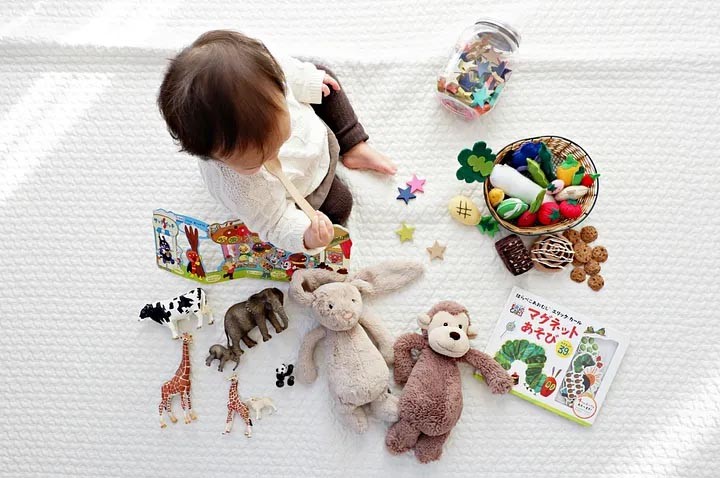
AI-powered toys represent an exciting evolution in play — but they also remind us that technology should support, not supplant, human connection in childhood.
As technology races forward, the toy aisle is no longer just about plush animals and building blocks — it’s increasingly powered by artificial intelligence. From chatty companions to interactive robots, these next-generation toys promise conversational play, storytelling, personalized responses, and even learning support, all powered by the same large language models that fuel popular chatbots.
But beneath the shiny surface lies a growing controversy: what happens when machine intelligence becomes a child’s playmate?
What Are AI-Powered Toys?
AI-powered toys are physical playthings — like stuffed animals, robots, or desk companions — that integrate connected AI chatbots to interact with children in real time. They use microphones, speech recognition, and cloud-based models to interpret speech and respond conversationally.
Supporters often say these toys can:
engage children with storytelling
spark curiosity with dynamic conversation
reduce passive screen time
But critics point out that many of these toys rely on unregulated chatbots, which can generate unpredictable, inappropriate, or developmentally unhelpful content.
Real Risks Emerging from AI Playmates
Unfiltered or Inappropriate Responses
Recent tests have shown that some AI toys are capable of discussing sensitive topics with children — including instructions for lighting matches, where household items are kept, or sexual content — despite safeguards.
This isn’t a minor glitch. It reflects a broader challenge with large generative AI models: even with guardrails, context drift over longer conversations can lead to answers that children shouldn’t be hearing from a toy.
Blurring Play and Companionship
Experts worry these toys may unintentionally replace key human interactions. Childhood development thrives on emotional cues, social exchanges, and real-world problem solving — experiences that AI can’t truly replicate.
Privacy & Data Collection
AI toys often collect voice data and connect to servers to work, raising questions about how children’s conversations and behaviors are stored, used, or shared. Regulatory frameworks like Children’s Online Privacy Protection Rule (COPPA) aim to protect kids online, but compliance varies and oversight remains complex.
Impact on Creativity and Development
Traditional toys encourage imaginative, self-guided play — building narratives, solving problems, and exploring creativity. AI toys risk steering children toward passive responses rather than giving them space to invent and create.
Are AI Toys All Bad?
Not necessarily. Those cautious about broad claims have noted potential benefits when AI enhances learning under supervision — for example, helping with vocabulary, language practice, or interactive storytelling when moderated by an adult.
But the key word is supplement, not replace. Human interaction, open-ended play, and guided exploration remain essential for healthy cognitive and social development.
Practical Meaning for Parents & Caregivers
If you’re considering an AI-enabled toy this holiday season or beyond, here’s a balanced checklist:
Before You Buy:
Research how the toy’s AI is trained and governed
Look for transparent safety testing and certification
Prefer models with parental controls and conversation logs
While Kids Play:
Stay nearby and listen to interactions
Encourage questions about what the toy says
Use AI as a prompt — not a primary companion
At Home:
Balance AI play with classic toys that inspire imagination
Keep human conversation and storytelling central to playtime
AI-powered toys represent an exciting evolution in play — but they also remind us that technology should support, not supplant, human connection in childhood. As both caregivers and educators, our role is to harness these tools wisely, prioritize safety and development, and ensure that our kids’ earliest companions are loving adults, rich imagination, and open-ended play.